

The Unsung Heroes Preserving Historical Wonders Through Time
In the shadow of grand historical monuments and architectural marvels stand The Unsung Heroes Preserving Historical Wonders Through Time. These dedicated conservationists, restoration specialists, and preservation technicians work tirelessly behind the scenes, using specialized knowledge and innovative techniques to ensure that our cultural heritage remains intact for future generations. Their expertise spans from understanding ancient building methods to applying modern conservation materials like specialized mica gasket material that can withstand the test of time while remaining true to historical authenticity.
The delicate balance of preservation and restoration
Preservation work requires an extraordinary combination of historical knowledge, technical skill, and patience. When working with structures that have stood for centuries, even the smallest intervention must be carefully considered. Modern conservationists understand that using historically accurate materials is crucial, yet they must also incorporate contemporary innovations that improve longevity without compromising authenticity.
Historical buildings often face unique challenges related to structural integrity. Many original sealing methods have deteriorated over time, leading to water damage and structural weakening. Today’s preservation specialists might incorporate specialized corrugated gasket technology in hidden areas to create watertight seals while maintaining historical appearance. This balance between invisible modern reinforcement and visible historical authenticity represents one of the greatest challenges faced by The Unsung Heroes Preserving Historical Wonders Through Time.
The scientific approach to historical conservation
Gone are the days when preservation was guided primarily by aesthetic considerations. Modern conservation science has revolutionized how we approach historical restoration. Specialists now employ sophisticated analytical techniques to identify original materials, understand degradation mechanisms, and develop appropriate intervention strategies.
For example, when restoring ancient steam systems in historical industrial sites, conservationists might analyze original gasket remnants to determine their composition. They might discover that historical engineers used primitive forms of mica gasket material, known for its heat resistance and durability. Armed with this knowledge, modern conservationists can specify contemporary materials that match or improve upon original performance while maintaining historical accuracy.
This scientific approach extends to all aspects of conservation. From paint pigment analysis that reveals original color schemes to ground-penetrating radar that identifies hidden structural features, technology has become an essential tool in the preservation arsenal. Yet these tools would be meaningless without the skilled professionals who interpret the data and apply it thoughtfully to preservation challenges.
The global network of preservation expertise
Historical preservation transcends national boundaries, with specialists around the world sharing knowledge and techniques. When a particular restoration challenge arises, The Unsung Heroes Preserving Historical Wonders Through Time can tap into this global network of expertise. A preservation specialist in Italy might offer insights on marble restoration that prove valuable to colleagues working on a project in India or Peru.
This knowledge exchange has proven particularly valuable when dealing with specialized materials and techniques. For instance, when restoring ancient industrial equipment, preservationists might consult with industrial historians to understand how corrugated gasket technology evolved over time. This ensures that replacement components not only look authentic but function as the original designers intended.
The international preservation community also provides crucial support when disasters threaten historical sites. When fire ravaged Notre-Dame Cathedral in Paris in 2019, preservation specialists from around the world offered assistance, expertise, and specialized equipment to help salvage and restore this irreplaceable cultural landmark.
The innovation behind invisible preservation
Perhaps the most remarkable aspect of modern historical preservation is how much of it remains invisible to visitors. When you walk through a preserved historical site, you don’t see the sophisticated drainage systems, the carefully engineered structural reinforcements, or the specialized sealing materials that make preservation possible.
Take, for example, the challenge of maintaining watertight seals in historical structures. Traditional methods often failed over time, leading to water infiltration and deterioration. Today’s preservation specialists might incorporate modern mica gasket material in hidden junctions, providing superior sealing without visual impact. These gaskets, engineered for extreme conditions, can withstand temperature fluctuations and pressure changes that would quickly degrade historical materials.
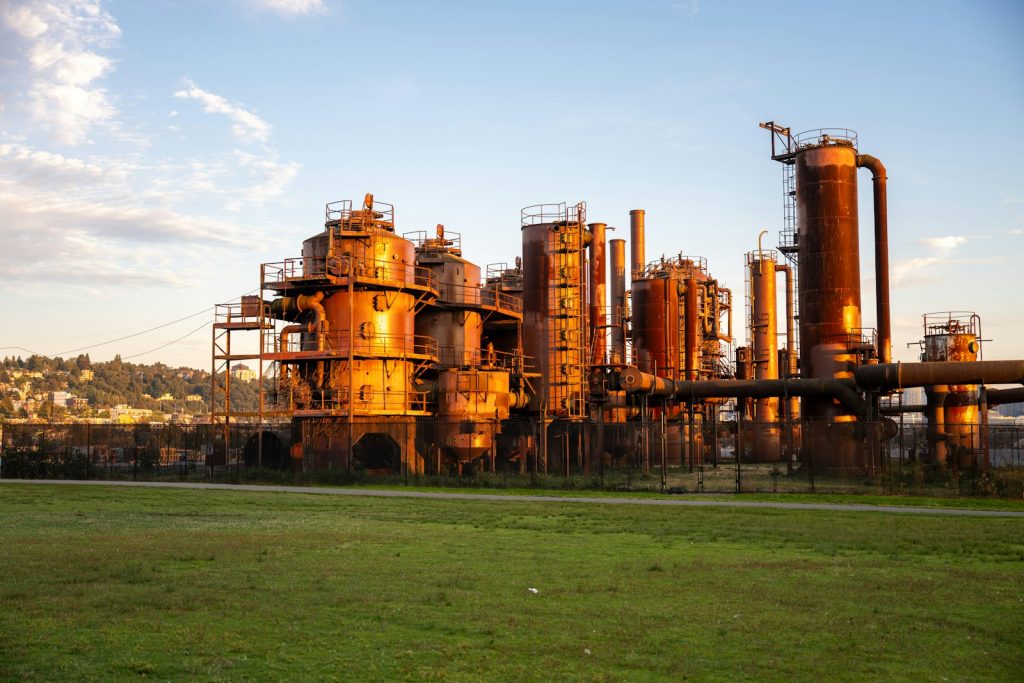
Similarly, when preserving historical industrial equipment, conservationists might replace original corrugated gasket components with modern equivalents that look identical but offer superior performance. This invisible innovation ensures that preserved machinery not only looks authentic but could theoretically function as originally designed.
The economic impact of preservation efforts
Beyond their cultural importance, historical preservation projects generate significant economic benefits for surrounding communities. Heritage tourism represents one of the fastest-growing segments of the travel industry, with millions of visitors seeking authentic historical experiences each year.
The specialists engaged in preservation work create economic ripple effects through their activities. From specialized material suppliers to local craftspeople who maintain traditional skills, the preservation industry supports diverse employment opportunities. When a historical site undergoes restoration, it frequently becomes a catalyst for broader community revitalization, attracting new businesses and residents to previously overlooked areas.
This economic dimension adds another layer to the importance of The Unsung Heroes Preserving Historical Wonders Through Time. Their work not only safeguards cultural heritage but also creates sustainable economic opportunities in communities around the world.
The preservation of our historical wonders represents one of humanity’s most important responsibilities. Through the dedicated efforts of conservationists, restoration specialists, and preservation technicians, we ensure that future generations can experience these irreplaceable treasures firsthand. Their work, often invisible but always essential, stands as a testament to our commitment to maintaining connections with our shared past.
previous article
