
Quality Control Measures for Critical System Operations
Quality Control Measures for Critical System Operations represent the backbone of industrial safety and performance in modern facilities. When systems fail in chemical plants, power generation stations, or manufacturing environments, the consequences extend far beyond simple downtime. Equipment damage, environmental hazards, and worker safety incidents can result from inadequate quality control protocols. Organizations that prioritize rigorous testing, inspection, and maintenance procedures typically experience 40 to 60 percent fewer unplanned shutdowns than those with minimal oversight. The question then becomes: how do you build a quality control framework that actually prevents failures before they occur?
The foundation starts with comprehensive documentation and standardized procedures. Every critical system requires detailed operating parameters, maintenance schedules, and inspection checklists that leave nothing to chance. Operators need clear guidelines that specify acceptable ranges for temperature, pressure, flow rates, and other vital indicators. When deviations occur, documented response protocols ensure consistent action regardless of which shift is on duty. Regular audits of these procedures help identify gaps before they become problems. Training programs must reinforce these standards through hands-on practice and scenario-based exercises. Companies that invest in thorough documentation typically reduce human error by 35 to 50 percent according to industry reliability studies.
Material selection and component integrity
Critical systems depend on components that can withstand demanding operational conditions over extended periods. Proper material selection forms a crucial quality control checkpoint that prevents premature failures and costly emergency repairs. Engineers must evaluate factors including chemical compatibility, temperature ranges, pressure cycling, and environmental exposure when specifying components. Heat exchanger gaskets exemplify this principle, as they must maintain seal integrity despite constant thermal expansion and contraction cycles. A gasket that performs well in one application may fail catastrophically in another with different operating conditions. Material certifications and mill test reports provide essential verification that components meet specified requirements before installation.
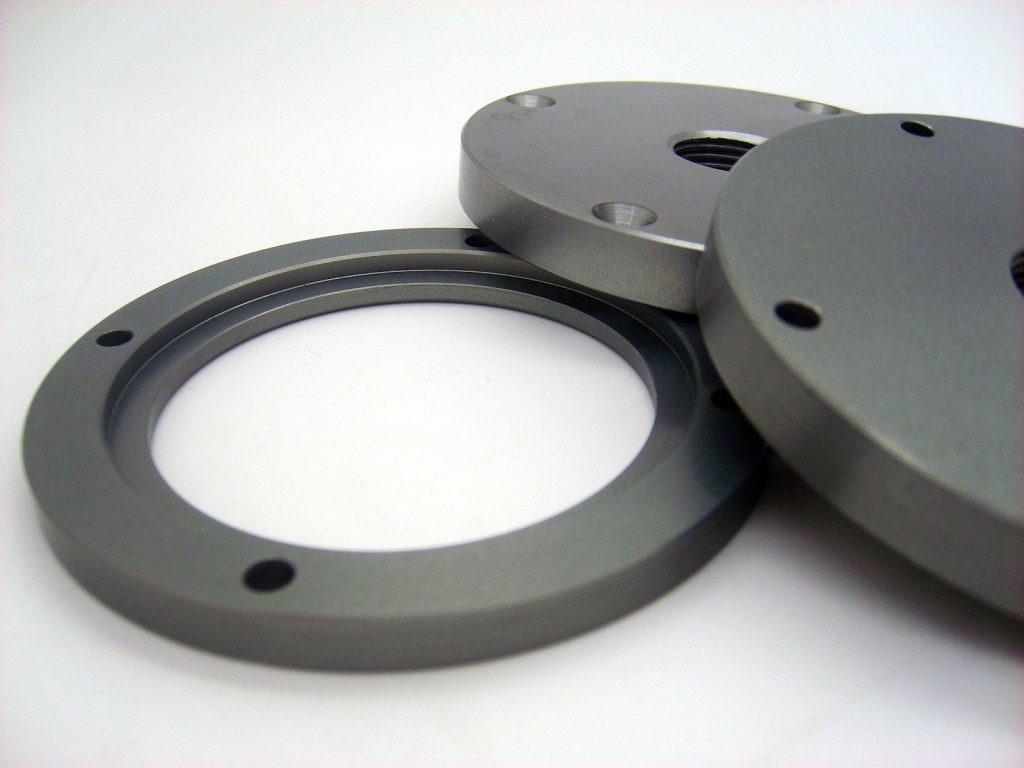
The procurement process itself requires quality control measures to ensure authentic materials enter your facility. Counterfeit components have infiltrated industrial supply chains with increasing frequency over the past decade. Third-party testing laboratories can verify material composition, mechanical properties, and performance characteristics independently. Incoming inspection procedures should include visual examination, dimensional verification, and documentation review for all critical components. Gasket sheets used in high-pressure applications need particularly careful scrutiny since manufacturing defects may not be visible to the naked eye. Establishing approved vendor lists and maintaining supplier quality agreements creates accountability throughout the supply chain. Random sampling and periodic audits of supplier facilities help maintain standards over time.
Inspection protocols and testing regimens
Regular inspection schedules form the surveillance system that detects degradation before it causes system failures. Non-destructive testing methods allow you to assess component condition without taking systems offline unnecessarily. Ultrasonic thickness testing reveals corrosion and erosion in pressure vessels and piping systems. Thermography identifies hot spots that indicate electrical problems or insulation failures. Vibration analysis detects bearing wear and mechanical imbalances in rotating equipment. The frequency of these inspections depends on criticality, operating severity, and historical failure data. High-risk systems may require monthly or even weekly inspections, while less critical equipment might be checked quarterly or annually.
Destructive testing of representative samples provides validation that components meet performance requirements under actual operating conditions. Gasket sheets undergo compression tests, chemical resistance evaluations, and thermal cycling to verify their suitability for specific applications. These tests typically involve exposing samples to conditions that exceed normal operating parameters to establish safety margins. Results feed back into material selection criteria and help identify when replacement with improved materials might be warranted. Pressure testing of assembled systems before startup catches installation errors and manufacturing defects. Hydrostatic testing uses water at pressures 1.5 times the design rating to verify integrity without the risks associated with pneumatic testing.
Maintenance practices that preserve system integrity
Preventive maintenance executed on schedule prevents the majority of system failures that occur in industrial facilities. Time-based maintenance intervals provide a baseline, but condition-based monitoring offers superior results by addressing actual equipment needs. Oil analysis reveals wear patterns and contamination in lubricated equipment weeks or months before failures occur. Filter differential pressure indicates when replacement is needed rather than relying on arbitrary time intervals. Heat exchanger gaskets require replacement based on compression set measurements and visual condition rather than calendar dates alone. Modern sensors and monitoring systems provide continuous data streams that enable predictive maintenance strategies.
Work execution quality determines whether maintenance actually improves or degrades system reliability. Detailed work instructions prevent shortcuts and ensure consistent results across different maintenance teams. Torque specifications for bolted connections must be followed precisely, as both under-tightening and over-tightening cause joint failures. Cleanliness during component installation prevents contamination that accelerates wear. Post-maintenance testing verifies that systems return to proper operating condition before being released to production. Many facilities implement peer verification or quality hold points for critical tasks where a second qualified person confirms proper completion before work proceeds.
Data analysis and continuous improvement
Quality Control Measures for Critical System Operations generate substantial amounts of data that require systematic analysis to drive improvements. Failure mode and effects analysis helps prioritize which systems and components deserve the most attention and resources. Tracking mean time between failures for specific equipment types reveals whether current maintenance strategies are effective. Root cause analysis of incidents prevents recurrence by addressing underlying problems rather than symptoms. Trend analysis of inspection results can predict when components will reach end of life, enabling planned replacements during scheduled outages rather than emergency situations.
Performance metrics provide objective measurement of quality control program effectiveness. Overall equipment effectiveness combines availability, performance, and quality rates into a single indicator that ranges from zero to 100 percent. World-class facilities typically achieve OEE values above 85 percent, while average plants operate between 60 and 70 percent. Tracking cost per unit of production reveals whether quality improvements actually deliver financial benefits. Safety incident rates directly correlate with quality control rigor in most industrial environments. Establishing baseline measurements and setting improvement targets creates accountability and focus for quality initiatives.

Building a culture of operational excellence
Technical procedures and testing equipment alone cannot ensure reliable operations without engaged personnel who understand their importance. Leadership commitment to quality control sends clear signals throughout the organization about priorities and expectations. When managers participate in audits and inspections, workers recognize that compliance matters. Recognition programs that reward quality performance encourage discretionary effort and attention to detail. Conversely, production pressure that encourages cutting corners on quality procedures inevitably leads to failures and incidents. How do you balance production targets with the time required for proper quality control execution?
Cross-functional collaboration ensures that quality control measures address the complete system rather than isolated components. Operations personnel provide insights into actual equipment behavior that maintenance teams may not observe. Engineering staff can explain design intent and acceptable deviation ranges. Procurement specialists help identify reliable suppliers and cost-effective alternatives. Quality assurance professionals bring expertise in testing methods and statistical analysis. Regular meetings between these groups foster communication and shared understanding of system criticality. When everyone understands how their actions affect overall reliability, Quality Control Measures for Critical System Operations become integrated into daily work rather than burdensome extra tasks that people try to avoid.
previous article
